
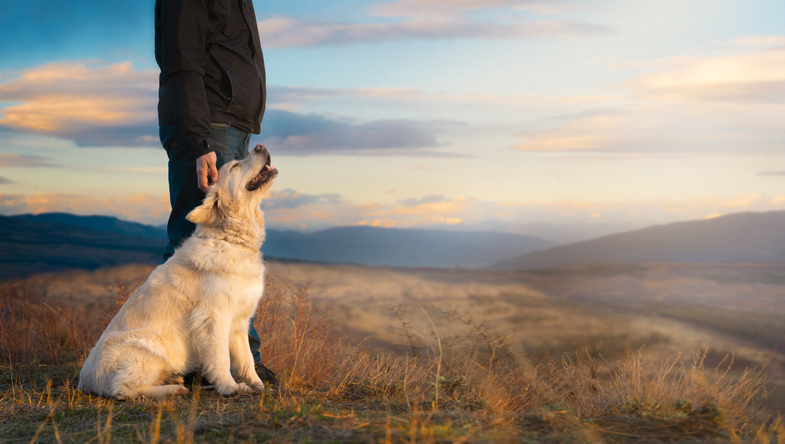
We all want our dogs to feel loved. But here’s the thing: sometimes the ways we show love are genuinely appreciated by our dogs — and other times those same actions may feel neutral or even unpleasant.
Every dog is different. What one dog loves, another may tolerate or avoid altogether. Understanding your dog’s individual preferences is an important part of building a strong relationship. And just like people, those preferences can change over time.
Social Experiences and Your Dog
Some dogs thrive on greeting other dogs, people, or both. They enjoy the interaction and find it fulfilling.
Other dogs don’t — whether due to fear, frustration, or difficulty waiting to greet everyone right away. For these dogs, social situations can be stressful rather than enjoyable. Choosing walking routes, outings, and guest interactions based on what your dog enjoys (rather than what you wish they enjoyed) is an important step in supporting their emotional well-being.
Food, Chews, and Treat Preferences
Many dogs appear to love “everything,” but even highly food-motivated dogs have preferences. Paying attention to those preferences helps make training, enrichment, and daily life more rewarding.
Experiment with different foods, chews, and treats, and rotate items when possible. Texture plays a big role — lickable treats, crunchy treats, and soft treats all offer different sensory experiences. Some dogs enjoy sweeter items, while many are more motivated by meat-based treats.
Activities, Enrichment, and Hobbies
As trainers, we’re constantly balancing the needs of people with the needs of dogs. One of the best ways to support both is by offering appropriate outlets for your dog’s natural interests.
If your dog loves sniffing on walks, try planning some walks that are entirely at your dog’s pace. Sniffing walks provide powerful mental enrichment. You can also scatter food in grass or snow and let your dog sniff it out, or explore scent-based activities like nose work, tracking, or even finding lost items at home.
Dogs who enjoy playing with other dogs may benefit from planned meet-ups with a trusted friend or family member in a fenced area. If you don’t have access to a yard, services like SniffSpot allow you to rent private, fenced spaces designed for dogs.
For puppies who chew on wooden furniture, offering appropriate alternatives like GorillaWood chews can help meet that need safely. Dogs who love shredding soft items may enjoy enrichment games that involve tearing apart paper bags or boxes — for many dogs, the act of shredding is the reward.
Noticing What Your Dog Doesn’t Enjoy
Understanding your dog also means noticing what they don’t like. This awareness allows you to avoid unnecessary stress or introduce training that helps your dog feel more comfortable.
A common example is dogs who dislike having a harness placed over their head. With training, many dogs can learn to voluntarily put their head through a harness. In other cases, choosing a step-in or buckle-style harness — or opting out of a harness altogether — may be the better option.
A Gentle Next Step
Learning what your dog loves (and doesn’t love) is an ongoing process, and you don’t have to figure it out alone. Thoughtful training and enrichment can help you better understand your dog while building trust, confidence, and communication.
If you’d like support tailoring activities, enrichment, or training to your individual dog, we’re always happy to help. 💛

Leave a Reply